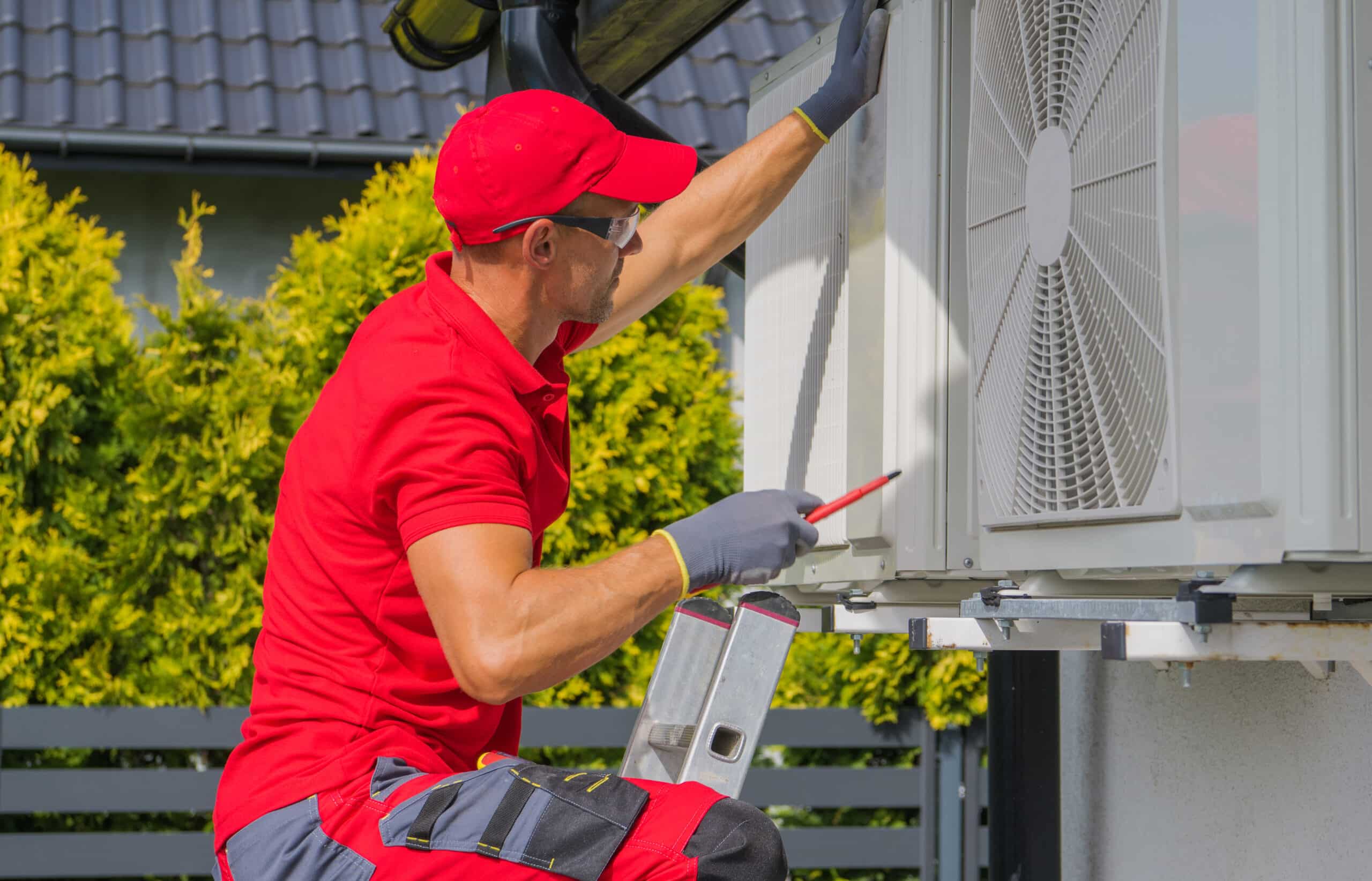
Maintaining a healthy indoor environment is essential for comfort and well-being, and HVAC systems play a crucial role in ensuring good air quality. Proper HVAC maintenance strategies are necessary to prevent pollutants, allergens, and contaminants from circulating within indoor spaces. One of the fundamental approaches to improving air quality through HVAC maintenance involves regular inspection and replacement of air filters. Filters trap dust, pollen, pet dander, and other airborne particles; over time, clogged or dirty filters reduce airflow efficiency and allow contaminants to bypass filtration. Using high-quality filters with appropriate Minimum Efficiency Reporting Value (MERV) ratings enhances particle capture without compromising system performance.
dive in for more addition to filter management, cleaning ductwork is vital for maintaining clean air circulation. Dust accumulation inside ducts can harbor mold spores, bacteria, and debris that degrade air quality when distributed throughout the building. Periodic professional duct cleaning removes these deposits effectively while also preventing unpleasant odors associated with microbial growth. Ensuring that ducts are properly sealed minimizes infiltration of outdoor pollutants such as pollen or vehicle emissions into the ventilation system.
Regular servicing of HVAC components like coils and condensate drains further contributes to optimal operation and healthier indoor environments. Dirty evaporator coils reduce cooling efficiency while fostering mold growth due to moisture retention; routine coil cleaning prevents this issue by eliminating accumulated dirt and biological matter. Likewise, clearing condensate drain lines prevents water buildup that can promote mildew formation or cause water damage affecting indoor conditions negatively.
Monitoring humidity levels is another important aspect linked closely with HVAC performance in controlling airborne contaminants. Excessive humidity encourages mold proliferation as well as dust mite activity; conversely, overly dry environments may irritate respiratory passages. Maintaining relative humidity between 30% and 50% helps suppress allergen development while enhancing overall comfort.
Upgrading ventilation systems ensures adequate fresh air exchange which dilutes indoor pollutant concentrations effectively. Mechanical ventilation enhancements such as energy recovery ventilators improve both energy efficiency and indoor air freshness by exchanging stale interior air with filtered outside air without significant heat loss.
Finally, scheduling routine professional inspections allows early detection of potential issues impacting system functionality or cleanliness before they escalate into more serious problems affecting health outcomes indoors. Technicians can assess system components comprehensively including electrical connections which influence reliable operation critical for consistent filtration performance.
Implementing these maintenance strategies supports not only improved HVAC efficiency but also fosters healthier living or working spaces by reducing exposure to harmful airborne substances consistently over time through proactive care practices aligned with manufacturer recommendations and industry standards ensuring long-term benefits for occupants’ respiratory health alongside energy savings considerations integral in modern building management approaches today.