
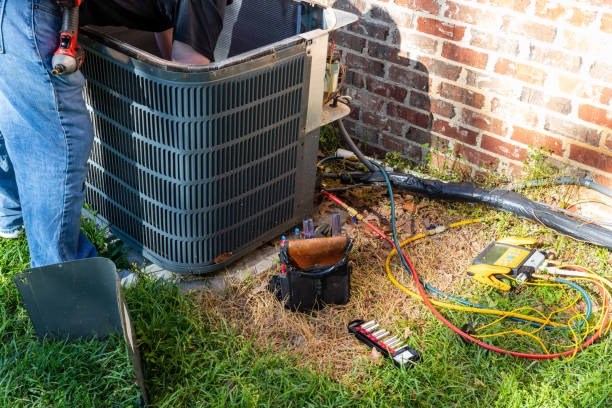
Air conditioning (AC) systems have become an essential part of modern life, providing comfort in homes, offices, and vehicles. A critical component of these systems is the refrigerant, a chemical compound that absorbs heat from the environment and releases it elsewhere. Understanding the importance of AC refrigerants, their types, and maintenance tips can help ensure optimal performance and longevity of air conditioning units.
Refrigerants are vital for the cooling process in AC systems. They work by cycling through various states — from liquid to gas — absorbing heat from indoor air and releasing it outside. This cycle is crucial for maintaining desired temperatures within living or working spaces. Without refrigerants, air conditioners would not be able click to learn more perform their primary function of cooling.
There are several types of refrigerants used in AC systems today. Historically, chlorofluorocarbons (CFCs) were common but were phased out due to their ozone-depleting properties. Hydrochlorofluorocarbons (HCFCs), such as R-22, replaced CFCs but are also being phased out because they still pose environmental risks. The industry has shifted towards more environmentally friendly options like hydrofluorocarbons (HFCs), including R-410A and R-134a.
R-410A is widely used in residential and commercial air conditioning units due to its efficiency and reduced environmental impact compared to older refrigerants. Another alternative gaining popularity is hydrofluoroolefins (HFOs), which offer even lower global warming potential than HFCs while maintaining high efficiency.
Proper maintenance of AC systems ensures that they operate efficiently with minimal breakdowns over time. Regularly checking refrigerant levels is crucial; low levels may indicate leaks that need immediate attention by a professional technician since handling refrigerants requires specialized knowledge due to safety concerns.
Cleaning filters regularly prevents dust buildup that can impede airflow leading to inefficient operation or system failure over time if left unchecked too long without proper cleaning intervals set up beforehand based on usage patterns observed throughout different seasons annually when applicable given specific regional climate conditions experienced locally wherever located geographically worldwide today!


