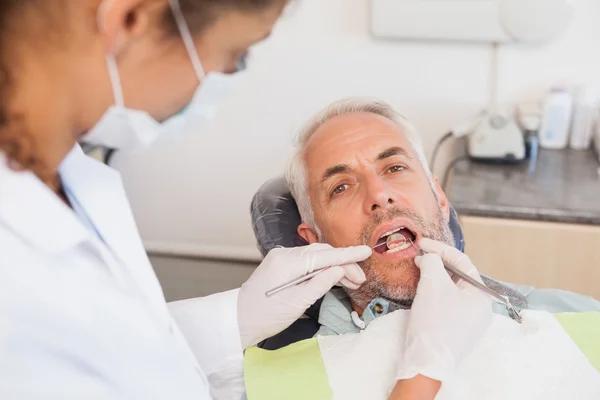
Detecting oral health problems before symptoms appear is a crucial aspect of preventive dentistry. Dentists employ various techniques and technologies to identify issues early, ensuring that patients maintain optimal oral health and avoid more severe complications down the line. Early detection can significantly reduce treatment complexity, cost, and discomfort for patients.
One of the primary methods dentists use to detect potential oral health problems is through regular dental check-ups. These routine visits typically include professional cleanings and thorough examinations of the teeth, gums, tongue, and other soft tissues in the mouth. During these exams, dentists look for signs of tooth decay, gum disease, oral cancer, and other conditions that may not yet present noticeable symptoms to the patient.
Dental X-rays are another essential tool in early detection. They allow dentists to see beneath the surface of teeth and gums to identify issues that are not visible during a standard examination. For instance, X-rays can reveal cavities between teeth or under existing fillings, infections in the bone or roots of teeth, abscesses or cysts that could lead to find more information significant problems if left untreated.
Advancements in technology have also enhanced dentists’ ability to detect oral health issues early on. Digital imaging systems provide high-resolution images with less radiation exposure than traditional methods. Intraoral cameras offer detailed views inside a patient’s mouth from various angles that would be difficult to achieve otherwise. These tools enable dentists to spot abnormalities at their earliest stages.
Periodontal probing is another technique used by dentists during check-ups. This involves measuring the depth of pockets around each tooth using a specialized instrument called a periodontal probe. Healthy gums typically have pocket depths ranging from one to three millimeters; deeper pockets may indicate gum disease even if no overt symptoms like bleeding or swelling are present.
Dentists also utilize diagnostic aids such as laser fluorescence devices which help detect early demineralization (the initial stage of cavity formation) by measuring changes in tooth structure before cavities fully develop.
Furthermore, saliva testing has emerged as an innovative approach for identifying biomarkers associated with certain diseases like diabetes or cardiovascular conditions which often correlate with poor oral health status.
Patient education plays an equally important role in early detection efforts; informing individuals about proper brushing techniques along with flossing habits helps prevent plaque buildup leading towards healthier mouths overall while encouraging them towards regular self-examinations so they might notice any unusual changes themselves thus prompting timely professional consultations when necessary thereby safeguarding against future complications effectively through proactive measures taken today!