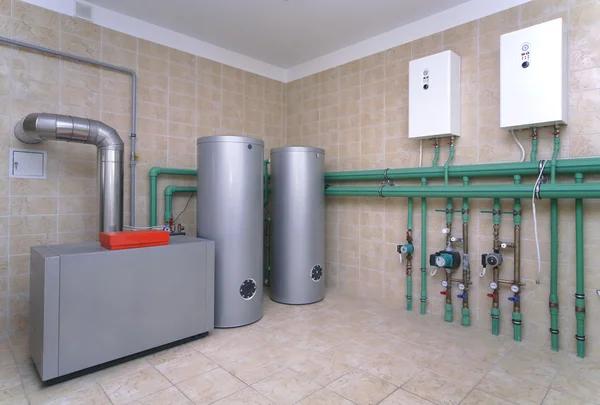
Choosing the perfect hot water system for your home or business involves several important considerations to ensure efficiency, reliability, and cost-effectiveness. The first step is to assess your household size and daily hot water needs. Larger families or businesses with high demand require systems with greater capacity, while smaller households can manage with compact units. Understanding how much hot water you use on average each day helps narrow down options that meet those requirements without wasting energy or space.
Next, consider the type of fuel available in your area and what suits your budget best. Common options include electric, gas (natural or LPG), solar, and heat pump systems. Electric models are widely accessible but may have higher running costs depending on electricity prices. Gas systems often provide faster heating at a lower operational expense but require proper ventilation and connection to a gas supply line. Solar hot water systems offer excellent long-term savings by harnessing renewable energy; however, their installation cost is typically higher upfront and they depend on sufficient sunlight exposure.
Heat pump technology captures ambient air heat to warm water efficiently and can significantly reduce energy bills compared to traditional electric heaters. These units perform well in moderate climates but might dive deeper struggle in extremely cold conditions unless paired with supplementary heating methods.
The location where the system will be installed also influences the choice. Indoor installations need units that fit within limited spaces without compromising safety regulations related to ventilation and access for maintenance. Outdoor setups must withstand weather elements while maintaining performance levels over time.
Another critical factor is whether you prefer a storage tank system or an instantaneous (tankless) heater. Storage tanks hold a set volume of heated water ready for use, which can be convenient during peak usage times but may result in standby heat loss if not insulated properly. Tankless systems heat water only when needed, offering endless supply without storage limitations yet sometimes struggling if multiple outlets demand simultaneous hot water.
Energy efficiency ratings should never be overlooked as they directly impact ongoing utility costs and environmental footprint. Look for products certified by relevant authorities indicating compliance with current standards designed to optimize performance while minimizing waste.
Finally, consider warranty terms, brand reputation, after-sales service availability, and installation complexity before making a final decision. Consulting licensed professionals who understand local codes ensures safe setup aligned with manufacturer guidelines.
By carefully evaluating capacity needs, fuel types available locally, installation site constraints, preferred technology between storage versus instantaneous heating solutions alongside efficiency credentials will help identify the ideal hot water system tailored specifically for your situation both practically and economically over its lifespan.