When considering insulation options for a home or building, two of the most common materials are spray foam and fiberglass. Both serve the purpose of reducing heat transfer, improving energy efficiency, and enhancing comfort. However, when evaluating which one wins in the long term, several factors including durability, performance, cost-effectiveness, and environmental impact must be taken into account.
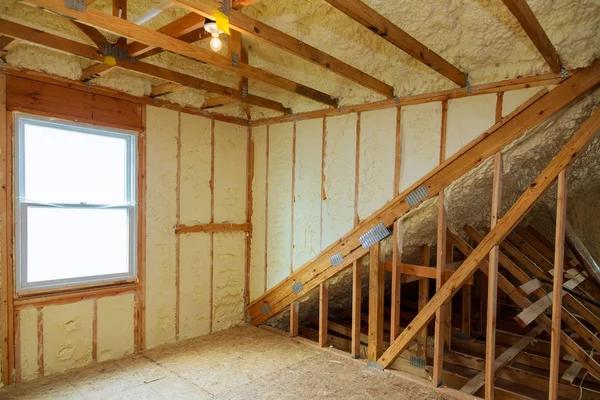
Spray foam insulation is known for its superior air-sealing capabilities. It expands upon application to fill gaps and cracks that fiberglass may miss. This characteristic reduces air leakage significantly, leading to better temperature regulation inside buildings. Over time, this can translate into lower energy bills because heating and cooling systems do not have to work as hard to maintain desired temperatures. Additionally, spray foam has a higher R-value per inch compared to fiberglass; this means it provides better thermal resistance with less material thickness.
Fiberglass insulation has been widely used for decades due to its affordability and ease of installation. It consists of fine glass fibers that trap air pockets within walls or attics to slow heat flow. While initially effective at insulating spaces, fiberglass tends to settle or compress over time which can reduce its insulating properties. Moisture exposure also poses risks since wet fiberglass loses much of its effectiveness and may foster mold growth if not properly protected.
Longevity is an important consideration when choosing between these two materials. Spray foam generally lasts longer without significant degradation because it adheres firmly to surfaces and resists moisture penetration more effectively than fiberglass batts or loose-fill varieties. This durability means fewer replacements or repairs are needed throughout the lifespan of a building’s insulation system.
Cost remains a key factor for many homeowners deciding on spray foam insulation typically involves higher upfront expenses due to specialized equipment requirements and professional installation needs. Fiberglass offers a budget-friendly alternative but may require more frequent maintenance or upgrades over time that could offset initial savings.
From an environmental perspective, spray foam has both pros and cons; some formulations use blowing agents with high global warming potential while others incorporate greener technologies aimed at reducing carbon footprint during production and use. Fiberglass is made from abundant natural sand but manufacturing processes consume considerable energy as well.
In conclusion, while both spray foam and fiberglass provide essential thermal protection for buildings, spray foam tends to outperform in terms of long-term effectiveness by maintaining structural integrity against air leaks and moisture damage better than fiberglass does over years of use. The decision ultimately depends on balancing immediate costs against future savings along with personal preferences regarding sustainability considerations. For those prioritizing lasting performance with minimal upkeep investment over decades ahead, spray foam often emerges as the winning choice in long-term insulation solutions.